

For travelers who love an active lifestyle, it may seem like the perfect destination to Biking in Costa Rica.Costa Rica is world-famous for its lush rainforests, dramatic coastlines, volcanoes, and commitment to outdoor adventure.
As an avid biker myself, I understand the appeal completely. Cycling offers freedom, immersion in the landscape, and a deep connection to a place that simply can’t be experienced from inside a car. Naturally, many cyclists ask the same question:
“I’m planning a vacation to Costa Rica and want to bring my bike to use as transportation. Do you recommend it?”
The honest answer is: No—unless it’s part of an organized biking tour.
Let’s explore why, and where biking does work beautifully in Costa Rica.

The Reality of Road Cycling in Costa Rica
Costa Rica is a small country, but its roads can be narrow, winding, and unpredictable. Outside of major highways, many roads lack shoulders, clear markings, or consistent maintenance. While these conditions already require extra caution for drivers, they pose serious risks for cyclists.

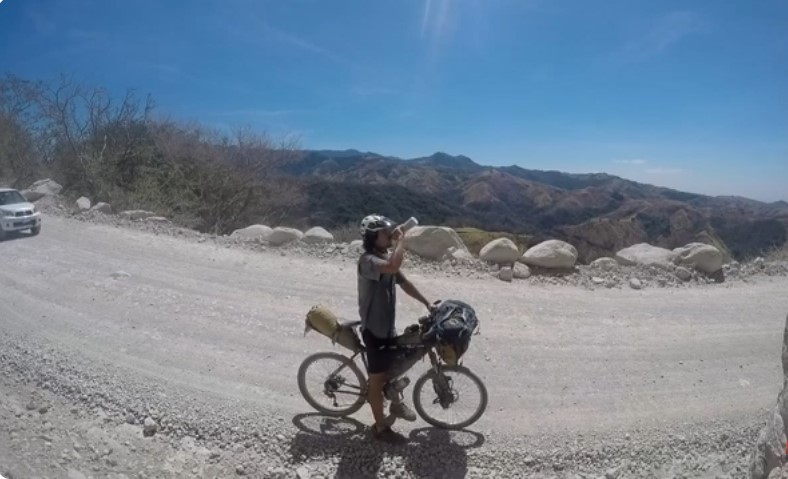
Unfortunately, drivers in Costa Rica generally do not show respect for bikers on public roads. Speeding is common, and vehicles often pass cyclists closely with little regard for safety or oncoming traffic. Defensive driving is essential here, but even the most cautious cyclist is vulnerable when sharing roads with fast-moving cars and buses.
This lack of cyclist awareness is not necessarily malicious—it’s cultural and infrastructural. Costa Rica simply has not been designed with bicycle commuting in mind.
No Bike Paths, Limited Infrastructure
One of the biggest challenges for cyclists in Costa Rica is the lack of dedicated bike paths. Unlike many countries in Europe or parts of North America, Costa Rica does not have a widespread network of cycling lanes or protected routes.
In cities like San José, traffic congestion, aggressive driving, and minimal cycling infrastructure create a dangerous environment for bikers. Rural roads may seem quieter, but they often come with blind curves, narrow bridges, and heavy truck traffic.
This is why bringing your bike to Costa Rica for daily transportation is generally not recommended.
A Growing Cycling Culture
Despite these challenges, Costa Rica is beginning to see a change—especially on weekends.
More and more young recreational cyclists are taking to the roads, riding high-end bikes and wearing professional cycling gear. Early weekend mornings often reveal groups of cyclists riding together, especially in suburban areas and near national parks.
Cycling is becoming a lifestyle choice and a form of recreation rather than a primary mode of transportation.
Cyclists Speak Out: Protests for Safety
The growing popularity of biking in Costa Rica has also brought attention to the dangers cyclists face.
Photographs taken by a Tico Times photographer show organized protests by cyclists in Sabana Park, San José. These bikers gathered peacefully to demonstrate against unsafe road conditions and the lack of legal protections for cyclists.
Their message is clear:
Costa Rica needs better laws, better infrastructure, and stronger enforcement to protect cyclists on public roads.
Cycling clubs and advocacy groups are urging the government to pass legislation that would make roads safer—not just for bikers, but for all road users.
A Tragic Reminder of the Risks
The urgency of these protests became painfully clear just recently.
Last week, three cyclists were killed in San José. They were members of a biking club, enjoying a quiet afternoon ride together when a reckless driver—speeding and not paying attention—plowed into them. All three were killed instantly.
Incidents like this are devastating and serve as a stark reminder of the dangers cyclists face when sharing roads without proper protection or awareness.
For travelers unfamiliar with local driving habits, these risks are even greater.
So, Should You Bring Your Bike?
For most travelers, the answer remains no.
Transporting your bike internationally is expensive, complicated, and stressful. When combined with road safety concerns, it often outweighs the benefits—especially if your goal is to use the bike for transportation rather than recreation.
However, this does not mean that biking has no place in a Costa Rica vacation.
Where Biking Does Work: Arenal and Beyond
There are regions in Costa Rica where biking is not only safe but incredibly enjoyable. One standout area is Arenal, located near the iconic Arenal Volcano.
Why Arenal Is Bike-Friendly
- Light traffic compared to major cities
- Slower driving speeds
- Scenic countryside and forest roads
- Opportunities for off-road biking
- Strong presence of professional tour operators
In Arenal, biking is treated as an experience, not a commute.

Recreational and Guided Biking Tours
Instead of bringing your own bike, travelers are far better off renting bikes locally or joining guided tours. This is where companies like Desafío Adventure Company come in.
Desafío Adventure Company – Arenal
Desafío is one of Costa Rica’s largest and most reputable outdoor adventure companies. They offer professionally guided biking tours that include:
- Well-maintained bikes
- Helmets and safety equipment
- Experienced local guides
- Carefully chosen routes (on-road and off-road)
- Scenic landscapes with minimal traffic
Guided tours ensure that you’re biking in Costa Rica in safe areas, at appropriate times, and with people who understand local conditions.
On-Road vs Off-Road Biking in Costa Rica
On-Road Biking
Best done:
- Early in the morning
- In low-traffic rural areas
- With a guide or group
Off-Road / Mountain Biking
Often the best option in Costa Rica:
- Dirt roads and trails
- Coffee plantations
- Forest paths
- Farmland routes
Off-road biking allows you to enjoy Costa Rica’s beauty without competing with traffic.
What About Urban Cycling?
Urban cycling in cities like San José is not recommended for visitors. Traffic is heavy, signage can be confusing, and bike lanes are nearly nonexistent.
While locals may navigate these conditions out of necessity, tourists should avoid urban biking altogether.
Tips for Cyclists Visiting Costa Rica
If biking is important to your travel experience, here are a few practical tips:
- Do not rely on biking as primary transportation
- Choose destinations known for adventure tourism (Arenal, Monteverde)
- Book guided tours instead of riding solo
- Rent bikes locally rather than transporting your own
- Avoid night riding completely
- Always wear protective gear
The Future of Biking in Costa Rica
Costa Rica is slowly evolving. With increased awareness, advocacy, and tourism demand, cycling infrastructure may improve over time. The growing number of recreational cyclists and public demonstrations show that change is being pushed from within the community.
But for now, biking in Costa Rica remains best enjoyed as a controlled, recreational activity, not as everyday transportation.
Final Thoughts
Costa Rica is a paradise for adventure lovers—but it’s not yet a cyclist-friendly country when it comes to road safety and infrastructure.
If you’re an avid biker planning a trip:
- Leave your bike at home
- Join organized biking tours
- Choose regions like Arenal for safe riding
- Let professionals handle routes and logistics
By doing so, you’ll enjoy the thrill of biking in Costa Rica without putting yourself at unnecessary risk—and you’ll return home with unforgettable memories instead of close calls.
Its like you learn my mind! You seem to grasp so much about this,
like you wrote the ebook in it or something. I feel that you just can do with some
% to pressure the message house a bit, but other than that, this is
great blog. An excellent read. I will definitely be back.
thanks so much for the kind words and encouragement. ann c creed costaricalearn