

Costa Rica is often called the “Switzerland of Central America,” not only for its remarkable political stability but also for the deep Costa Ricans value: liberty, peace, and personal independence. These ideals are not abstract concepts—they are alive in the daily lives of Costa Ricans, from their approach to family life to their environmental stewardship. For travelers seeking both adventure and cultural insight, experiencing Costa Rica is as much about exploring its natural beauty as it is about understanding its unique way of life.
This article combines a historical overview with a practical itinerary for visitors to immerse themselves in Costa Rica’s values while enjoying its many natural and cultural attractions.
The Historical Roots of Liberty
Costa Rica’s love of liberty dates back to its earliest colonial days. When Christopher Columbus arrived on the Atlantic coast in 1502, he found little gold. Unlike neighboring regions rich in precious metals, Costa Rica attracted few Spanish settlers. By 1573, only about 50 Spanish families were established, mainly around Cartago. Most lived on isolated farms, cultivating small plots of land and raising livestock with minimal oversight.
The lack of colonial attention and the minimal influence of the Catholic Church allowed Costa Rica value to develop a culture of independence and self-reliance. The absence of a rigid social hierarchy meant that no aristocratic class emerged to dominate the population. Ordinary farmers learned to depend on themselves, fostering values of autonomy and personal freedom.
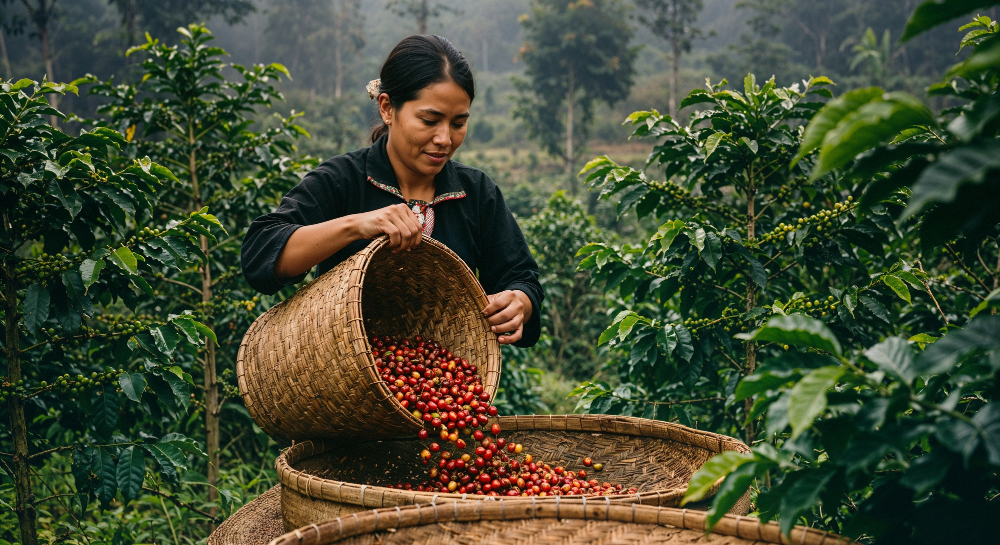
Commerce developed slowly. Early attempts at cash crops like tobacco and cocoa struggled due to poor quality and pirate raids along the Caribbean coast. It wasn’t until coffee cultivation flourished in the rich volcanic soil of the Central Valley that Costa Rica saw its first economic prosperity. Wealthy coffee farmers emerged, traveled to Europe, and built the foundations of the modern Costa Ricans value society—but even they maintained a culture that prized civic responsibility and personal freedom.

Peace as a National Value
One of the clearest expressions of Costa Rica’s commitment to peace is its abolition of the standing army in 1949. Led by José Figueres Ferrer, this historic decision redirected resources from military expenditure to education, healthcare, and social welfare. Costa Rica has since maintained political stability, becoming a rare haven of peace in a region often marked by conflict.
For travelers, this translates into a safe and welcoming environment. The absence of military influence allows Costa Ricans to focus on civic engagement, community development, and environmental conservation—a unique model in Latin America.


Experiencing Costa Ricans value Liberty Through Travel
To truly understand Costa Ricans value, consider exploring the country in a way that mirrors the lifestyle of its people: slow, immersive, and nature-focused. Below is a suggested 10-day itinerary that highlights Costa Rica’s historical, cultural, and natural wonders while providing insight into the nation’s commitment to liberty, peace, and independence.

Day 1: Arrival in San José – The Heart of Costa Rica
Start your journey in San José, the capital city. Take a guided walking tour of downtown to see the National Theater, built by the early coffee elite, and Museo Nacional de Costa Rica, which provides historical context on the country’s independence and civic values.
- Tip: Visit a local market for fresh fruits and vegetables, reflecting Costa Rica’s emphasis on natural, chemical-free food.
Evening: Enjoy a family-style dinner at a traditional sodal (local eatery) and soak in the relaxed pace of city life. Costa Ricans value balance work and recreation carefully—a reflection of their motto “Pura Vida”, meaning “pure life.”
Day 2: Central Valley – Coffee Plantation Tour
Head to the Central Valley, where lush coffee plantations thrive. Tour a working plantation to learn about Costa Rica’s coffee history and how independent farmers shaped the economy.
- What to look for: The democratic work culture on plantations, eco-friendly farming practices, and the cooperative model many farmers use.
Evening: Enjoy a sunset view over the volcanic hills and reflect on how independence and hard work shaped Costa Rica’s prosperity.
Day 3: Poás Volcano National Park
Visit Poás Volcano National Park, located just 45 miles from San José. The crater offers a spectacular example of Costa Rica’s natural resources. Hike the trails and see the biodiversity of the highlands, including rare orchids and tropical birds.
- Educational focus: Guides explain conservation efforts, emphasizing Costa Rica’s commitment to protecting 30% of its land in national parks and wildlife reserves.
Day 4-5: Monteverde Cloud Forest – Biodiversity and Conservation
Travel to Monteverde, a cloud forest reserve home to a wealth of species. Hike trails guided by local naturalists to see how Costa Rica value live in harmony with nature, another reflection of liberty and independence in action.
- Canopy tours and hanging bridges offer thrilling perspectives while maintaining sustainable tourism practices.
- Spend the night in eco-lodges that use solar power and rainwater harvesting—showing the country’s commitment to sustainable living.
Day 6-7: La Fortuna and Arenal Volcano
Next, journey north to La Fortuna, in the shadow of Arenal Volcano. This area combines adventure with relaxation. Participate in activities such as zip-lining, whitewater rafting, and hot springs visits—all designed to connect visitors with nature.
- Cultural insight: Observe how the community values work-life balance and eco-conscious tourism. Many local guides are independent entrepreneurs, embodying the spirit of personal liberty.
- Overnight: Stay at a family-friendly eco-lodge with organic food sourced locally, reflecting Costa Rica’s emphasis on natural living.
Day 8-9: Southern Caribbean Coast – Gandoca-Manzanillo Wildlife Refuge
Head to the southern Caribbean coast, exploring unspoiled areas like Gandoca-Manzanillo Wildlife Refuge. This area showcases the biodiversity Costa Rica works hard to protect, including nesting sea turtles, monkeys, sloths, and vibrant bird species.
- Activities: Guided hikes through the rainforest, snorkeling in pristine waters, and beach walks where turtles nest.
- Cultural reflection: Learn about Afro-Caribbean communities and how they preserve their cultural identity while living sustainably within the ecosystem.
Day 10: Relaxation and Reflection – Samasati Nature Retreat
End your journey at Samasati Nature Retreat, a peaceful eco-lodge nestled in the rainforest near the Caribbean Sea. Enjoy yoga, guided nature walks, and a chance to reflect on Costa Rica’s values.
- Highlights: Experience the “Pura Vida” lifestyle firsthand—simple, mindful, and in harmony with nature.
- Optional tours: Visit the Jaguar Rescue Center, the Bri Bri Indigenous Reserve, or nearby beaches for snorkeling and wildlife observation.

Living the Pura Vida Lifestyle
Throughout your journey, you’ll notice how Costa Ricans value embody their motto “Pura Vida.” It isn’t just a phrase; it’s a philosophy that influences daily life:
- Balance Work and Recreation: National holidays, vacations, and outdoor activities are valued as essential to life.
- Strong Family Bonds: Families care for each other, elders are respected, and children grow up with close-knit support systems.
- Health and Well-Being: Universal healthcare ensures physical well-being, while abundant fresh food and outdoor activity promote mental health.
- Sustainability: Environmental stewardship reflects respect for freedom and responsibility—freedom to enjoy nature and responsibility to protect it.
- Cultural Pride: Religion, music, dance, and local traditions reinforce ethical living and community cohesion.
Practical Travel Tips
- Transportation: Renting a car or booking private transfers ensures flexibility and independence. Roads are generally good, but mountain drives require caution.
- Safety: Costa Rica is relatively safe; however, petty theft can occur, so vigilance is advised.
- Accommodations: Eco-lodges, boutique hotels, and family-run guesthouses are ideal for immersive experiences.
- Language: Spanish is the official language, but English is widely spoken in tourist areas.
Conclusion
Costa Rica is more than a travel destination—it is a living example of how a nation can prioritize liberty, peace, and independence. From the isolated yeoman farmers of the colonial era to the modern eco-conscious communities, Costa Ricans value cultivated a society that values personal freedom, social responsibility, and harmony with nature.
For travelers, this offers a unique experience: exploring volcanoes, rainforests, and wildlife reserves while witnessing firsthand the cultural and historical forces that have shaped one of the happiest and most stable countries in the world. By following this itinerary, visitors can engage with Costa Ricans value, enjoy adventure and relaxation, and come away with a profound appreciation for a country that truly lives the meaning of liberty, peace, and independence.