

On a rainy afternoon in San José, Costa Rica, there is truly no better way to spend a few hours than visiting the Jade Museum. Calm, fascinating, and deeply educational, this museum offers visitors a journey through thousands of years of human history, symbolism, and artistry—all centered around one of the world’s most revered stones: jade.
Whether you are a history lover, an art enthusiast, or simply looking for a meaningful indoor activity while exploring Costa Rica’s capital city, the Jade Museum is a rewarding experience that can easily fill one to two hours of your day.

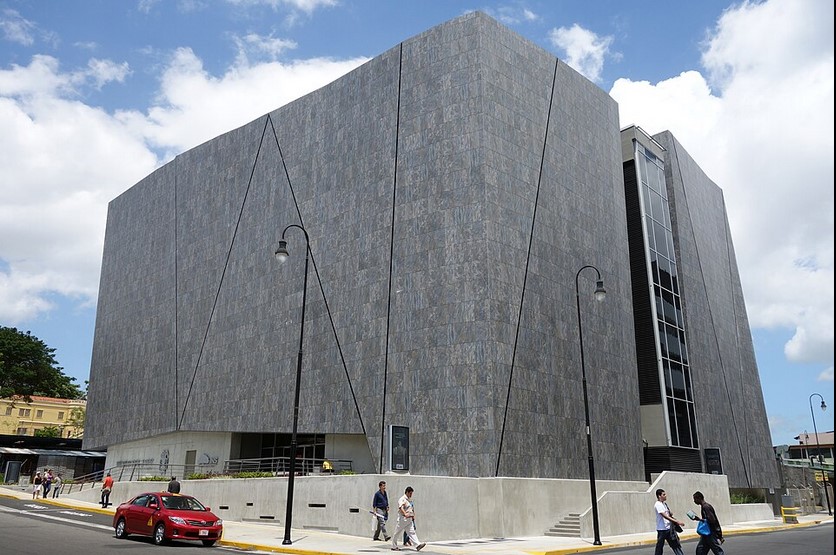
A Stone Without Borders: How Jade Reached Costa Rica
One of the most intriguing facts visitors learn early on is that no natural sources of jade have ever been discovered in Costa Rica. This raises an obvious and fascinating question: How did jade become such an important part of Costa Rica’s pre-Columbian culture?
The answer lies in ancient trade routes. Jade is believed to have arrived in Costa Rica through extensive trade networks connecting Mesoamerica and South America. The stone likely traveled south from the Aztecs of Mexico, the Maya of Guatemala, and possibly even through contact with the Incas of South America.
This long-distance exchange demonstrates that ancient civilizations were far more interconnected than many people realize. Jade objects found in Costa Rica are silent witnesses to a complex web of cultural, spiritual, and economic relationships that existed thousands of years ago.

Jade: A Stone Known to Humanity for 7,000 Years
Jade is one of the oldest stones known and valued by humankind, with a history dating back more than 7,000 years. Its durability, toughness, and resistance to breaking made it an ideal material in prehistoric times.
Long before metals were widely used, jade was shaped into:
- Tools
- Weapons
- Ritual objects
- Ornamental jewelry
Its strength made it practical, but its beauty and symbolic power elevated it far beyond a simple material.
The Symbolic Energy of Jade Across Civilizations
Throughout history, jade has carried profound symbolic meaning in cultures around the world.
China: The Royal Gem
As early as 3000 B.C., jade was revered in ancient China as the “royal gem.” It was associated with nobility, immortality, and moral integrity.
Philosopher Confucius described jade as embodying the virtues of:
- Wisdom
- Justice
- Compassion
- Modesty
- Courage
For centuries, jade was used in ceremonial objects, burial items, and imperial ornaments, symbolizing both earthly power and spiritual purity.
Ancient Egypt: Stone of Harmony and Balance
In ancient Egypt, jade was admired as a stone of:
- Love
- Inner peace
- Harmony
- Balance
It was believed to bring emotional stability and spiritual alignment, making it a valued material for amulets and sacred objects.
The Maya: Sacred Stone of Life and Power
In Pre-Columbian Mesoamerica, jade held extraordinary significance, especially among the Mayan civilization. Jade deposits were found in the Motagua River Valley of Guatemala, the primary source of jade for the Maya.
For the Maya, jade symbolized:
- Life
- Fertility
- Power
- The connection between the earthly and spiritual worlds
They shaped jade into masks, animal figures, jewelry, and ceremonial objects. Importantly, jade was also used as a medium upon which hieroglyphs were inscribed, preserving religious, political, and historical narratives.
Jadeite Hieroglyphs Inscribed on Jade
One of the highlights of the Jade Museum is the display of jadeite pieces inscribed with hieroglyphs. These carvings demonstrate not only remarkable artistic skill but also the intellectual and spiritual depth of ancient cultures.
Hieroglyphs etched into jade often conveyed:
- Religious symbolism
- Mythological stories
- Ritual meanings
- Social or political status
Because jade was so valuable, only elites, priests, and rulers were permitted to own or be buried with such objects.
Exploring the Jade Museum Collection
The Jade Museum is considered one of Costa Rica’s best museums, and for good reason. Its exhibits are beautifully curated, informative, and visually stunning.
Visitors will encounter:
- Ornamental jade headpieces
- Elaborate necklaces and pendants
- Revered animal figures representing power and spirituality
- Finely carved human figurines
- Gorgeous, ornate pottery pieces
- Artifacts dating back as far as 400 B.C.
Each piece is displayed with detailed explanations, helping visitors understand not just what they are seeing, but why it mattered.
Animal Symbolism in Jade Art
Animals played an important role in jade symbolism. Common figures include:
- Jaguars (power and authority)
- Birds (spiritual connection and freedom)
- Frogs (fertility and water)
- Crocodiles (earth and creation myths)
These carvings reflect how ancient peoples understood nature and their place within it.
Museum Layout and Visitor Experience
The museum is well-organized and easy to navigate, making it accessible to visitors of all ages. Most people spend between one hour and one and a half hours exploring the exhibits at a comfortable pace.
Clear signage, bilingual descriptions, and thoughtful lighting create a calm and educational atmosphere—ideal for escaping the rain or the busy streets of downtown San José.
Location and Practical Information
The Jade Museum is conveniently located downtown San José, making it easy to include in a city itinerary.
Location:
First floor of the INS (Instituto Nacional de Seguros)
National Insurance Building, San José
Hours:
- Monday–Friday: 8:30 a.m. – 3:30 p.m.
- Saturday: 9:00 a.m. – 1:00 p.m.
- Closed Sundays
Admission Fees:
- Adults: $7
- Students (with valid ID): $4
- Costa Rican citizens receive a special local entrance fee
Why Visit the Jade Museum?
The Jade Museum offers more than just beautiful artifacts—it provides insight into:
- Ancient trade networks
- Spiritual beliefs of pre-Columbian cultures
- The global significance of jade
- Costa Rica’s place in early American civilizations
It is an experience that deepens your understanding of Costa Rica beyond rainforests and beaches.
Final Thoughts
The Jade Museum in San José is a hidden gem that beautifully bridges art, history, and spirituality. From jadeite hieroglyphs to exquisitely carved ceremonial pieces, every exhibit tells a story that spans continents and millennia.
If you find yourself in San José on a rainy afternoon—or simply want to enrich your Costa Rican journey—a visit to the Jade Museum is time well spent.