

Palo Verde National Park is one of Costa Rica’s most extraordinary wildlife destinations and a true paradise for nature lovers. Located in the northwestern province of Guanacaste, this protected area is especially famous for its incredible birdlife, massive American crocodiles, playful monkeys, and vividly colored iguanas. Unlike the lush rainforests many visitors associate with Costa Rica, Palo Verde is part of a tropical dry forest ecosystem, making it a unique and essential contrast to the country’s wetter regions.
For travelers who want to witness Costa Rica’s wildlife up close—often in astonishing numbers—Palo Verde National Park offers an unforgettable experience.
A Unique Ecosystem in Costa Rica
Palo Verde National Park lies within a vast protected region covering approximately 46,000 acres. This area plays a vital role in preserving flood plains, mangrove swamps, freshwater marshes, and limestone ridges, all of which are essential habitats for wildlife.
Unlike Costa Rica’s Caribbean coast or cloud forests, Palo Verde experiences less rainfall, which defines it as a tropical dry forest. During the dry season, the landscape can appear dusty and sun-baked. However, when the rains arrive, something magical happens. Water pools across the flood plains, transforming the park into a lush wetland that attracts thousands of animals, especially birds.
These seasonal wetlands make Palo Verde one of the most important bird feeding and nesting grounds in Central America.

A Birdwatcher’s Dream
Palo Verde National Park is home to over sixty species of birds, many of them large, dramatic, and easily visible from boats along the river. During peak seasons, the park becomes a gathering place for hundreds—sometimes thousands—of birds feeding, nesting, and resting.
Some of the most commonly seen bird species include:
- Wood storks, towering and prehistoric-looking
- White ibis, often seen feeding in groups
- Roseate spoonbills, famous for their brilliant pink coloring
- Black-bellied whistling ducks, known for their distinctive calls
- Herons and egrets in multiple varieties
- Cormorants, anhingas, and kingfishers
Because the landscape is open and flat, bird watching at Palo Verde is much easier than in dense rainforests. Birds can often be seen feeding in shallow water just a short distance away, making this park ideal for both experienced birders and first-time visitors.
Exploring the Tempisque River by Boat
One of the most popular and rewarding ways to experience Palo Verde National Park is by taking a boat tour along the Tempisque River. Most visitors arrange this excursion through a licensed tour company in Costa Rica.
The typical cost is around $96 per person, not including transportation from your hotel. While this may seem expensive, the experience is well worth it, offering unparalleled access to wildlife and scenery.
What You’ll See on the River
As your boat glides quietly along the wide Tempisque River, wildlife appears almost immediately:
- Large birds feeding along the banks
- Crocodiles basking in the sun
- Monkeys swinging through riverside trees
- Iguanas lounging motionless in branches
The river acts as a natural highway for animals, drawing them to its shores for food, water, and shelter.

Crocodiles: Ancient Giants of the River
Palo Verde is one of the best places in Costa Rica to see American crocodiles in their natural habitat. These massive reptiles can grow over 15 feet long and are often seen lying completely still along muddy riverbanks, blending seamlessly into their surroundings.
On a single boat tour, it is common to see dozens of crocodiles, ranging from small juveniles to enormous adults. Watching them up close—while remaining safely in the boat—is both thrilling and humbling.
Their presence is a reminder of how ancient and powerful Costa Rica’s ecosystems truly are.
Monkeys Along the Riverbanks
The riverbanks of Palo Verde National Park are also home to several species of monkeys. As your boat drifts along, you may spot:
- Howler monkeys, known for their deep, echoing calls
- White-faced capuchin monkeys, playful and intelligent

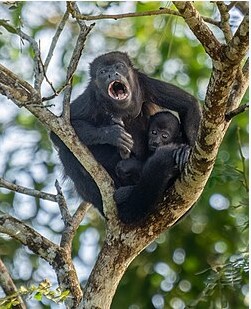
Monkeys often gather in trees near the water, where they can be seen resting, grooming, or leaping effortlessly from branch to branch. Early morning tours offer the best chance to hear the howlers announcing their presence across the forest.
Iguanas: Living Sculptures of the Trees
One of the most visually striking animals in Palo Verde National Park is the iguana. Dozens of large iguanas can be seen lounging high in the trees, completely relaxed and seemingly unfazed by passing boats.
During mating season, iguanas undergo a remarkable transformation. Their normally green or gray bodies change to brilliant shades of orange and red, creating a stunning visual contrast against the blue sky and green foliage. Seeing these colorful reptiles gathered together is a rare and unforgettable sight.
Best Time to Visit and Tour Tips
The Palo Verde boat tour typically takes several hours, allowing plenty of time to observe wildlife without feeling rushed.
Best Time of Day
- Early morning tours are strongly recommended
- Wildlife is more active before midday heat
- Birds are feeding and moving more frequently
What to Bring
- Lightweight clothing
- Sun protection (hat, sunscreen)
- Binoculars for bird watching
- Camera with zoom lens
- Plenty of water
Because the park is in a dry forest zone, it can become quite hot, especially later in the day.
A Landscape of Surprising Beauty
Beyond wildlife, Palo Verde National Park offers breathtaking scenery. The Tempisque River, wide and calm, reflects the sky and surrounding vegetation. Mangrove forests line parts of the river, while open wetlands stretch into the distance, creating a dramatic and ever-changing landscape.
The contrast between dry forest, wetlands, and mangroves supports a rich diversity of life and makes Palo Verde one of the most ecologically important regions in Costa Rica.
Why Palo Verde Is So Important
Palo Verde National Park plays a crucial role in protecting vital flood plains that absorb seasonal rains and prevent flooding in surrounding areas. These wetlands also act as a natural filtration system, supporting fish populations and maintaining water quality.
Without protection, this ecosystem would be at risk from agriculture, development, and climate change. The park’s conservation efforts ensure that future generations can continue to witness the extraordinary wildlife that calls Palo Verde home.
A Strong Recommendation
Nina highly recommends a visit to Palo Verde National Park. It is truly the one place in Costa Rica where you can reliably see:
- Hundreds of large birds
- Dozens of crocodiles
- Monkeys along the riverbanks
- Colorful iguanas in their natural habitat
Few destinations offer such an intense concentration of wildlife in a single excursion.
A Must-See Destination in Costa Rica
If you are planning a vacation to Costa Rica and want an experience that goes beyond beaches and rainforests, Palo Verde National Park should be high on your list. The park’s combination of wildlife, scenery, and ecological importance makes it one of the most rewarding national parks in the country.
From the silent glide of a boat along the Tempisque River to the sudden splash of a bird taking flight, Palo Verde immerses you in the rhythms of nature. It is a place where life gathers, thrives, and unfolds before your eyes.
For travelers seeking authentic wildlife encounters, spectacular bird watching, and a deeper appreciation of Costa Rica’s natural heritage, Palo Verde National Park delivers an unforgettable experience.