

February 1, 2017 marked yet another dramatic chapter in Costa Rica’s long and complex relationship with its volcanoes. Early in the day, Turrialba Volcano erupted again, sending massive clouds of ash high into the atmosphere and scattering fine gray dust for miles across the landscape. For residents of Costa Rica’s Central Valley, this was not just a spectacular natural event—it was a reminder of how closely daily life here is tied to the restless forces beneath the earth’s surface.

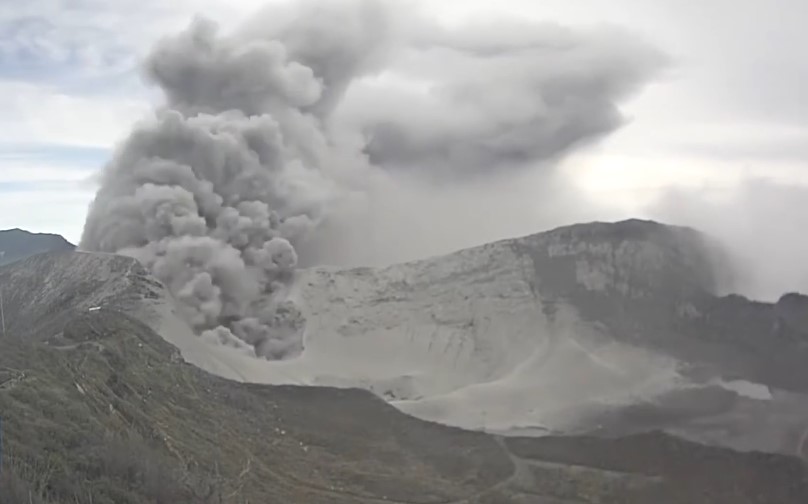
Turrialba Volcano is located due east of San José, the capital city of Costa Rica, at a distance of only about 50 miles (80 kilometers). That proximity is what makes its activity so significant. While Costa Rica is home to seven volcanoes, Turrialba is currently the only one actively erupting at this time. Its eruptions directly affect the country’s most populated and economically important region.

Costa Rica: A Country Shaped by Volcanoes
Costa Rica sits squarely on the Pacific Ring of Fire, a vast horseshoe-shaped zone encircling the Pacific Ocean where tectonic plates constantly collide, shift, and slide beneath one another. This geological reality explains why the country, though small, has such a high concentration of volcanoes.
Among the most famous is Arenal Volcano, located in north-central Costa Rica. For decades, Arenal was the star attraction, erupting almost continuously and drawing tourists from around the world to witness glowing lava and fiery explosions lighting up the night sky. However, Arenal has now been inactive for over two and a half years, earning it the nickname “the Sleeping Giant.”
Another well-known volcano is Poás Volcano, located about 30 miles north of San José. Poás is famous for its massive, mile-wide crater geyser, which frequently emits hot water, steam, and sulfuric gases. While Poás is highly active, its eruptions are generally not powerful enough to disrupt daily life across the Central Valley.
That distinction now belongs to Turrialba Volcano.
The Power and Scale of Turrialba Volcano
Turrialba Volcano is immense. Rising to approximately 10,000 feet (3,340 meters) above sea level, it is one of the tallest volcanoes in Costa Rica. Its sheer size means that when it erupts, the effects can be widespread and unavoidable.
On this particular February day, the eruption sent huge plumes of ash into the sky. Winds blowing from east to west carried the ash directly toward San José and the surrounding Central Valley communities. By midday, ash had settled on rooftops, cars, crops, and streets, coating everything in a thin gray layer.
For residents, the air took on a faint sulfur smell, and visibility in some areas was reduced. People swept ash from doorways and windshields, put on face masks, and went about their routines with a calm acceptance that seems uniquely Costa Rican.

Impact on Agriculture and Rural Communities
The area surrounding Turrialba Volcano is primarily agricultural land, known for its fertile volcanic soils. Ironically, the same volcanic activity that enriches the soil over long periods can cause devastating short-term damage when eruptions occur.
Following this eruption, approximately 325 farmers were reported to be negatively affected. A light but persistent layer of ash settled over fields and pastures, creating serious concerns for both crops and livestock.
Affected Crops
Among the crops most impacted were:
- Cabbage
- Onions
- Cauliflower
- Carrots
Ash can block sunlight, clog plant pores, contaminate irrigation water, and alter soil chemistry. For leafy vegetables in particular, even a thin coating of ash can make crops unsellable. Livestock, meanwhile, may ingest ash while grazing, leading to digestive and respiratory problems.
For many farmers, these eruptions mean not just a temporary inconvenience, but a direct threat to their livelihoods.
Disruption to Air Travel and Daily Life
One of the most visible consequences of the eruption was the temporary closure of San José International Airport (SJO). Ash on the runway and in the air poses serious risks to aircraft engines and navigation systems. As a result, the airport was closed for approximately 24 hours, disrupting flights, travel plans, and cargo shipments.
At the time of writing, the airport has reopened, but authorities continue to monitor conditions closely. Even small amounts of ash can force sudden closures, making volcanic activity a constant concern for transportation officials.
Despite these disruptions, what stands out most is the calm reaction of Costa Ricans. There is no mass panic, no dramatic exodus. People adapt. Schools adjust schedules, farmers assess damage, and families sweep ash from their homes. Life continues.
Perhaps this resilience comes from experience. Volcanic activity is not new here—it is part of the national story.
Living with a Volcano: The Costa Rican Perspective
To outsiders, the idea of living so close to an erupting volcano can seem terrifying. But for Costa Ricans, volcanoes are familiar neighbors. They inspire respect, not fear.
Many locals have witnessed eruptions over the years and understand that, while disruptive, they are rarely catastrophic thanks to modern monitoring systems and early warnings provided by Costa Rica’s volcanological institutes.
This attitude reflects a broader cultural mindset often summarized by the phrase “Pura Vida.” It doesn’t mean ignoring danger, but rather accepting life’s uncertainties with patience, perspective, and calm.

Scientific Monitoring and Safety Measures
Turrialba Volcano is closely monitored by volcanologists and scientists who track seismic activity, gas emissions, and ground deformation. Their work allows authorities to issue warnings, close affected areas, and take preventative measures when necessary.
These scientists play a critical role in protecting both urban populations and rural farming communities. While eruptions cannot be prevented, their impacts can be managed through timely information and preparedness.
A Photographer’s Eye on Nature’s Power
I would like to give special credit to photographer Ezequiel Becerra, whose striking images of Turrialba Volcano capture both its raw power and haunting beauty. His photographs show towering ash plumes rising against the sky—a humbling reminder of how small we are in comparison to the forces of nature.
Photography has a unique ability to document these events not just as news, but as part of Costa Rica’s living history.
Looking Ahead
As of now, Turrialba Volcano remains active, and further eruptions are expected. Farmers continue to assess damage, scientists remain vigilant, and residents of the Central Valley keep an eye on the sky.
Volcanoes have always shaped Costa Rica—its land, its agriculture, its tourism, and even its national identity. From the fertile soils that feed the country to the dramatic landscapes that draw visitors from around the world, these fiery giants are both creators and destroyers.
Turrialba’s eruption is a powerful reminder that Costa Rica is alive—geologically, environmentally, and culturally. Beneath the lush rainforests, coffee plantations, and bustling cities, the earth is constantly moving, reshaping the land in slow, unstoppable ways.
For now, ash settles quietly over fields and rooftops, and life goes on. In Costa Rica, living with volcanoes is not just a challenge—it is a way of life.