

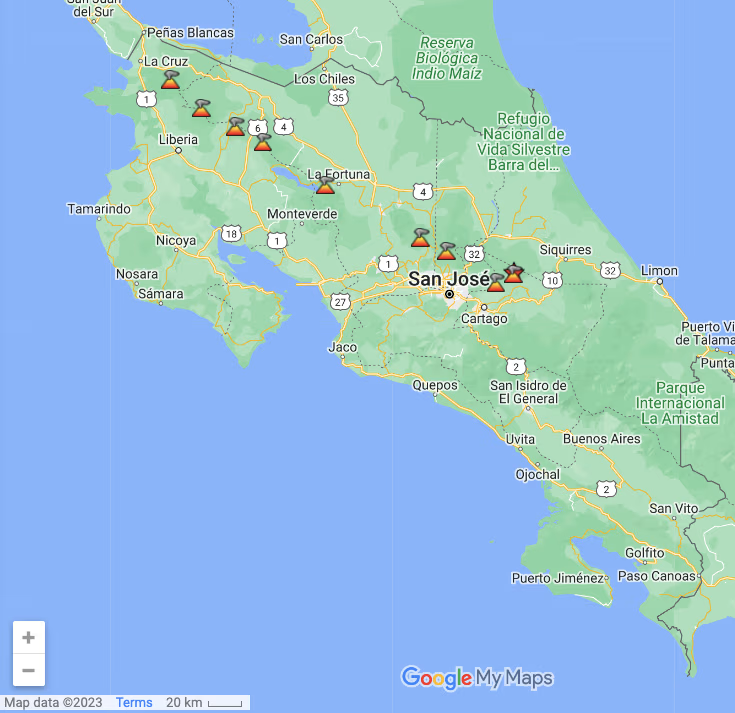
Costa Rica is often called the land of volcanoes, and for good reason. Despite its small size—less than 51,000 square kilometers—Volcanoes in Costa Rica is home to seven major volcanoes, stretching from the northern border with Nicaragua all the way down to the southern border with Panama. These volcanoes are not only impressive geological formations but also a major draw for tourists from around the world who come to witness the natural beauty and power of these majestic mountains.
The majority of Costa Rica’s volcanoes are extinct, meaning they have not erupted in thousands of years. However, a few remain active, including the Arenal Volcano and Poás Volcano, which are among the most visited and photographed natural sites in the country. These volcanoes, combined with Costa Rica’s lush rainforests, sparkling rivers, and abundant wildlife, make the country a paradise for nature lovers and adventure travelers.

Arenal Volcano
Located in the northern part of Costa Rica, Arenal Volcano is perhaps the most famous and iconic volcano in the country. Although it has been dormant since 2010, Arenal was highly active for decades, producing spectacular lava flows, plumes of smoke, and glowing red eruptions that attracted tourists from all over the world.
The area around Arenal is a hub of activity, offering a wide range of adventure tourism options. Visitors can hike through the surrounding rainforests, explore the lava fields left by past eruptions, or relax in the nearby natural hot springs heated by the volcano’s geothermal activity. The nearby town of La Fortuna provides accommodations ranging from luxury resorts to budget-friendly hostels, making Arenal accessible to travelers of all types.
Poás Volcano
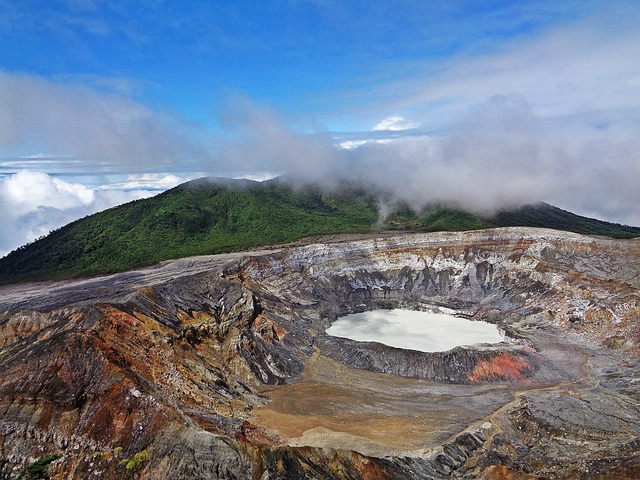
Poás Volcano, located in the Central Valley, is another of Costa Rica’s active volcanoes. Rising to an elevation of 8,000 feet above sea level, Poás features a one-mile-wide crater that emits steam and sulfur gases. Visitors are treated to spectacular views of the crater and surrounding highland rainforest.
Poás is particularly famous for its old crater lake, which features bright blue water caused by the high mineral content. Hiking trails around the park allow tourists to explore both the crater and the surrounding rainforest, which is home to ferns, mosses, bromeliads, and the iconic giant umbrella plant. Poás is ideal for day trips due to its proximity to San José and Alajuela, making it one of the most accessible volcanoes in Costa Rica.

Irazú Volcano
The Irazú Volcano is the tallest volcano in Costa Rica, standing at 11,260 feet above sea level. Located near the city of Cartago, Irazú is known for its crater lake, which changes colors depending on mineral content and weather conditions. The summit offers panoramic views, and on clear days, visitors can even see both the Pacific and Caribbean coasts simultaneously.
Irazú is an extinct-to-dormant volcano, but it has had several eruptions in the 20th century, the most famous occurring in 1963, which disrupted the capital city of San José with ashfall. Today, the volcano is a protected national park, with trails and viewing platforms for tourists.


Turrialba Volcano
Located east of Irazú, Turrialba Volcano is an active volcano that has had intermittent eruptions in recent years. Its activity often results in ash clouds, which can impact nearby towns and agricultural areas. Turrialba is less frequented by tourists compared to Arenal and Poás due to its unpredictable eruptions, but it remains an important site for geological study and eco-tourism.
Visitors who venture to Turrialba should be cautious and check volcano activity reports before planning a visit. Guided tours are recommended, as local experts provide safety instructions and insights into the volcano’s geological significance.
Rincón de la Vieja Volcano
Moving to the northwestern region of Costa Rica, in Guanacaste, lies Rincón de la Vieja Volcano. This volcano is part of a national park that protects extensive forests, waterfalls, hot springs, and volcanic mud pots. Rincón de la Vieja is a popular destination for hiking, horseback riding, and canopy tours, offering a combination of adventure and natural beauty.
The volcano is slightly active, and visitors may see fumaroles and steam vents along the hiking trails. The surrounding area is rich in biodiversity, including monkeys, toucans, sloths, and countless tropical plant species.
Poás, Arenal, Irazú, Turrialba, and Rincón de la Vieja: A Comparative Look
While each volcano in Costa Rica has its own personality and attractions, they all share several common features:
- Geological Significance – Each volcano provides insight into the tectonic activity of Central America, particularly the subduction of the Cocos Plate beneath the Caribbean Plate.
- Tourism Appeal – Most volcanoes have nearby towns or resorts that cater to visitors, providing accommodations, restaurants, and guided tours.
- Natural Beauty – The combination of volcanic landscapes with lush rainforests, waterfalls, and hot springs creates unique ecosystems that attract both ecologists and casual travelers.
- Adventure Opportunities – Hiking, zip-lining, horseback riding, and hot spring bathing are common activities around Costa Rica’s volcanoes.

Less Visited Volcanoes
In addition to the well-known volcanoes, Costa Rica has several less visited but fascinating volcanoes, including:
- Miravalles Volcano – Located in Guanacaste, this volcano features geothermal activity, including hot springs and mud baths, popular with locals and tourists seeking relaxation.
- Orosi Volcano – Near the southern region, this extinct volcano is surrounded by lush forests and coffee plantations, offering scenic vistas and hiking trails.
These volcanoes, while not as famous as Arenal or Poás, offer a more off-the-beaten-path experience for travelers seeking solitude and connection with nature.
Volcano Tourism in Costa Rica
Tourism focused on volcanoes is a major part of Costa Rica’s economy. Hundreds of thousands of visitors come each year to hike trails, photograph craters, explore geothermal areas, and learn about volcanic activity. Adventure tourism activities such as zip-lining, waterfall rappelling, and hiking are often combined with volcano visits.
Eco-tourism is also prevalent, as Costa Rica places a high value on preserving its volcanic and forest ecosystems. National parks surrounding volcanoes protect both geological features and wildlife habitats, ensuring that tourism has minimal environmental impact.
The Cultural Significance of Volcanoes
Volcanoes have shaped not only the landscape of Costa Rica but also its culture and economy. Fertile volcanic soils support coffee, sugar cane, and fruit plantations, which have historically been essential to the country’s economy.
Volcanoes also play a role in local folklore and legends, with stories passed down through generations about eruptions, protective spirits, and natural phenomena associated with these majestic mountains.
A Visual Experience
For those who cannot visit in person, there are videos and documentaries that beautifully capture the majesty of Costa Rica’s volcanoes. One particularly stunning piece was created by Vicquial – Victor Quiros, showcasing the natural landscapes with breathtaking cinematography accompanied by soothing music. Watching such videos provides a glimpse into the power and serenity of these volcanic wonders.

Conclusion
Costa Rica is indeed the land of volcanoes, with seven major volcanoes stretching from north to south. While some are extinct, the active volcanoes like Arenal and Poás continue to fascinate and draw tourists from around the globe. Each volcano has its own unique ecosystem, adventure opportunities, and cultural significance.
From the glowing lava fields of Arenal to the smoldering crater of Poás, the cloud forests of Rincón de la Vieja, and the panoramic vistas from Irazú, Costa Rica’s volcanoes offer an incredible combination of natural beauty, adventure, and education.
For travelers seeking a once-in-a-lifetime experience, visiting Costa Rica’s volcanoes provides a perfect blend of ecotourism, adventure, and cultural immersion. Whether exploring the trails, photographing fumaroles, or relaxing in geothermal hot springs, volcanoes in Costa Rica remain one of the most unforgettable highlights of any trip to this Central American paradise.
Pura Vida!
